
Judaism vs. the Winter
When cycles collide
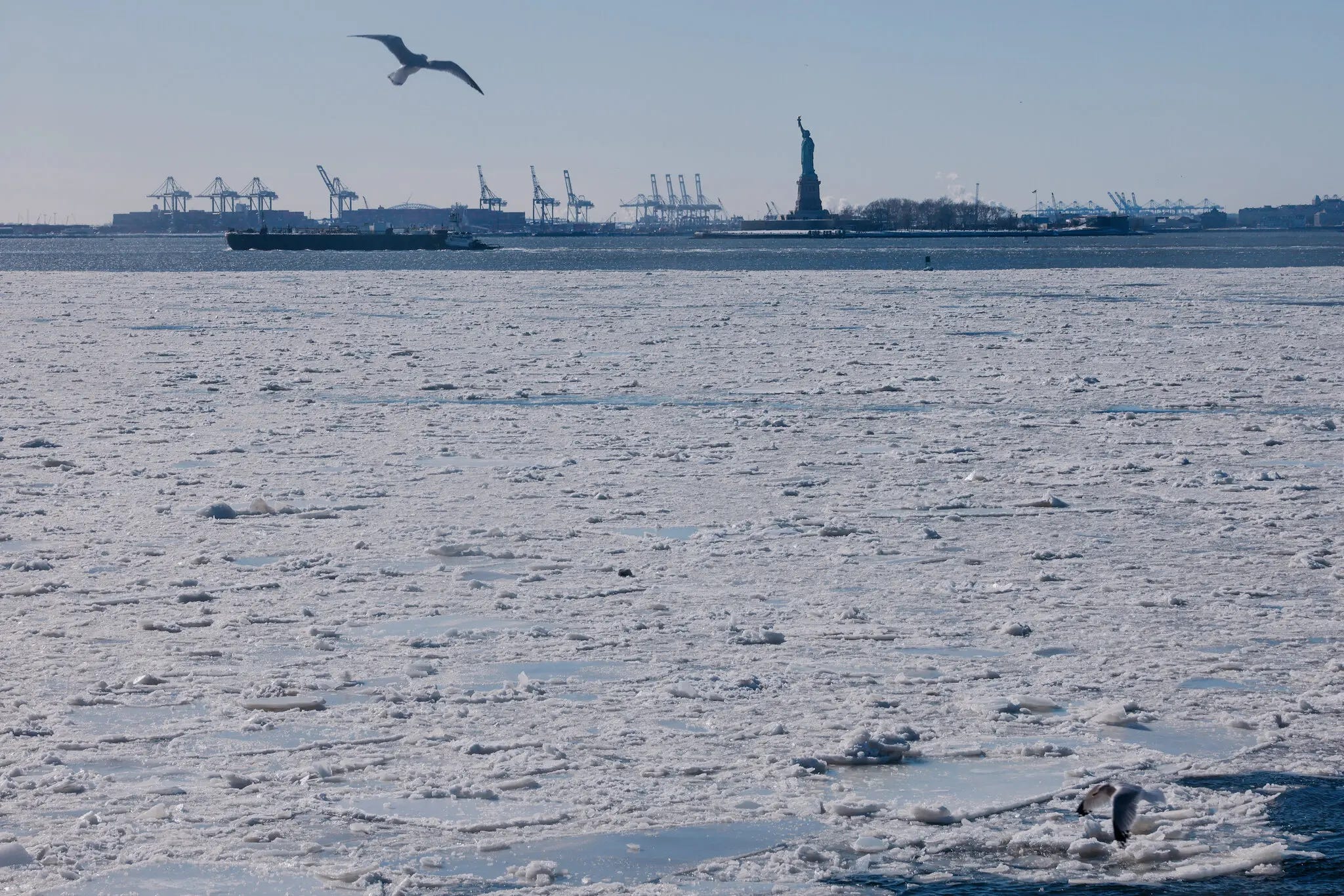
This is a time of year when there can seem to be some tension between the Jewish calendar and the seasonal calendar, at least if you’re living in the eastern half of the United States, which finds itself in the grips of a long cold winter.
Here in New York City, we’ve reached the point where the cold seems to be the central fact of daily life. It feels as if it’s never been above freezing in the city, and it will never be above freezing again.
Entire cars are encased in snowbanks, presumably trapped there until springtime.
The Hudson River appears on the verge of freezing solid, which theoretically would allow you to ice-skate to New Jersey, but who’d risk the frostbite?
None of this qualifies as a natural disaster, of course. But I think the weather can fairly be described as oppressive. And I say this as someone who actually likes winter!
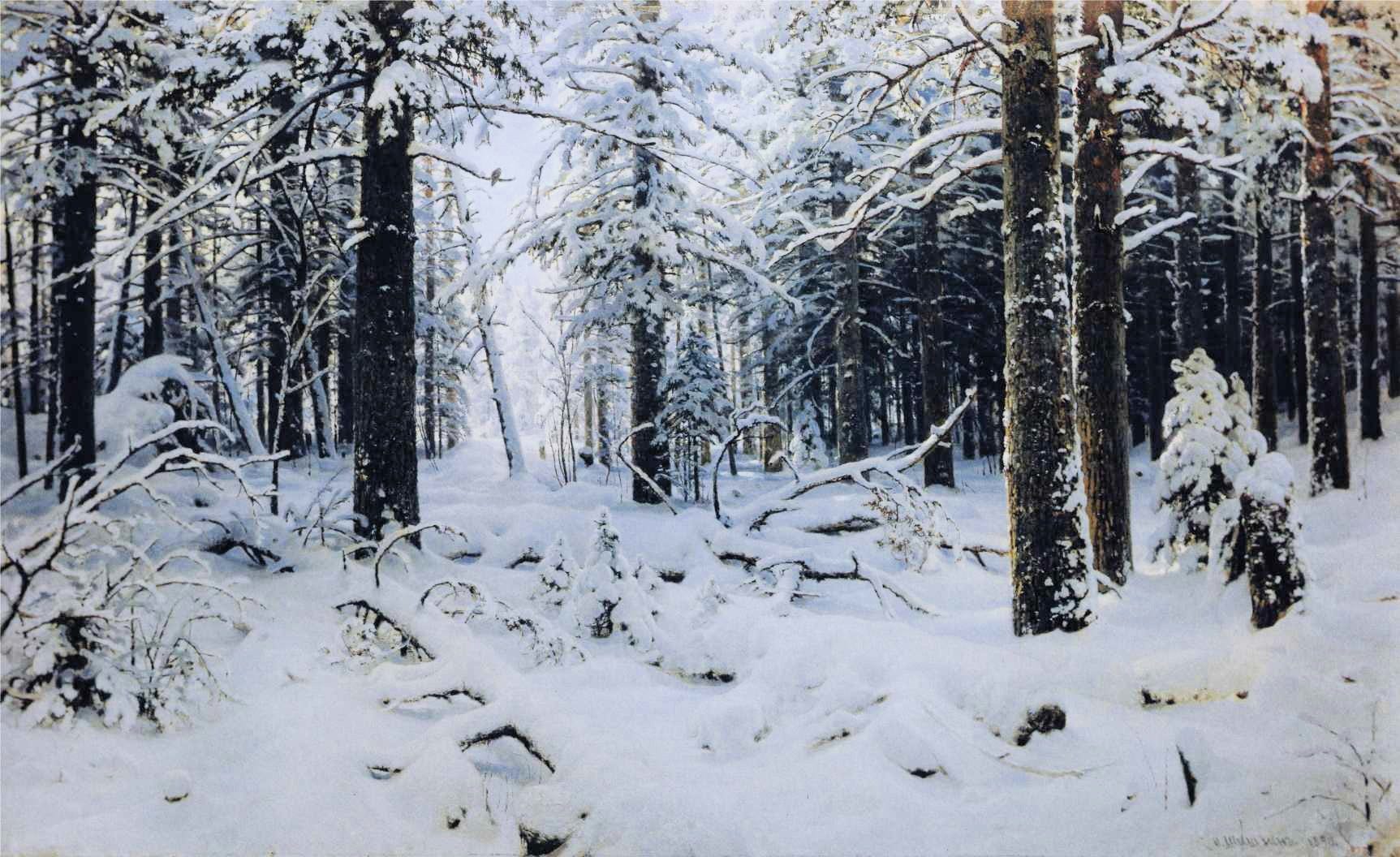
Meanwhile, what’s happening in the Jewish calendar? We just celebrated Tu BiShvat, the “New Year for the Trees,” and the Torah portions of the last weeks have been covering the events of Exodus, associated with that deeply springtime holiday, Passover.
Outside, it may be the dead of winter, but the cycles of Judaism are celebrating trees and tales of the desert.
There’s logic to the cycles of the Jewish calendar, of course.
Traditional Jewish law includes several rules that require knowing how old a tree is. And the Sages decided that rather than tracking the “birthday” of every single tree (a task that would be difficult even with the benefit of cloud-based calendar software), it would be simpler to give every tree more or less the same birthday: the fifteenth of Shevat, or Tu BiShvat. Tu BiShvat also traditionally marks the end of the rainy season in the Land of Israel, so the date makes sense as the start of a “new year” for the trees. Tu BiShvat’s standing as a day to celebrate trees and nature generally is a more modern development.
As for why Exodus is being read in synagogue right now? Well, if you’re reading the entire Torah every year, starting in the fall with Simchat Torah, and you read a roughly equal portion every week, by January/February, you’re going to be somewhere in the book of Exodus.
So there are reasons — mathematical, ecological, logistical — for the Jewish calendar to operate the way it does. It’s just that none of those reasons have anything to do with the seasons in the United States.
And I’d argue that there’s comfort to be found in that.
The here-and-now can feel all-encompassing. That’s true for bleak weather, but it can also be true for alarming headlines, for our relationships, for our work.
But whatever a given day or week or season brings us, the Jewish year continues according to its own rhythms and cycles. It’s there to remind us that whatever we are facing in a given moment, there are different possibilities of experience available to us. Older stories, alternative perspectives — hopefully, too, greater depths.
In this sense, the cycles of Jewish holidays or Torah readings aren’t necessarily less valuable if they’re disconnected from our day-to-day; they are, in fact, more valuable, because they (unlike us) aren’t so beholden to the present moment.
Tu BiShvat will be celebrated on Tu Bishvat, even if every tree in your neighborhood is covered in ice and snow. The Torah portion will be the Torah portion, no matter what you just read on social media.
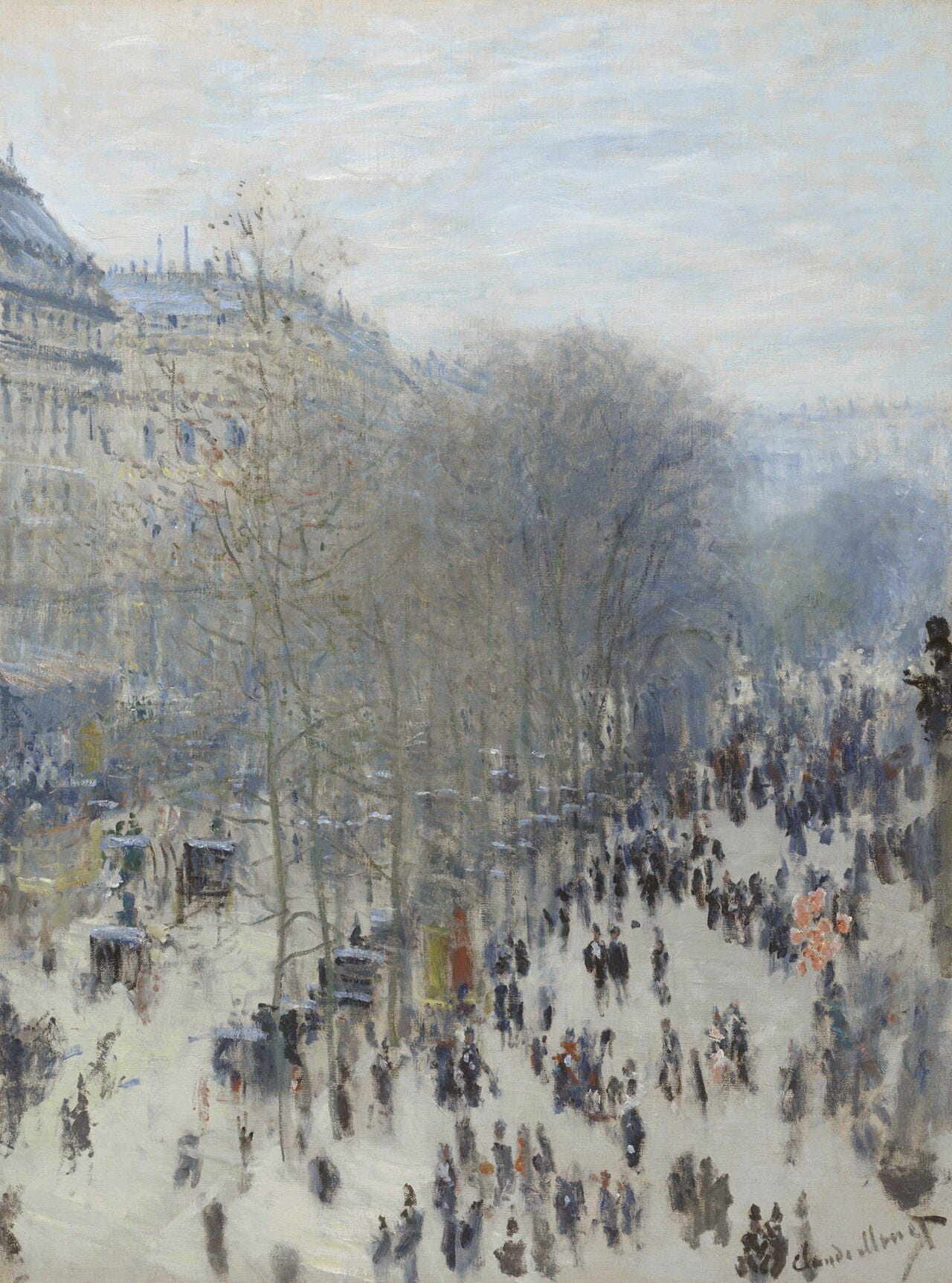
Further, the (apparent) conflict between the events of the Jewish calendar and the events in the other calendars and cycles that govern our lives can offer its own kind of encouragement, too.
No one ever intended to put Tu BiShvat or Exodus in the middle of the American winter. But if you find yourself in that winter, there are probably worse things to contemplate than the enduring cycles of nature, or stories of change and liberation and hope.
There’s a promise of change that can be helpful to hear when it seems as if the world outside will be frozen forever — and “frozen” can be understood however you want: emotionally, psychologically, spiritually, or, well, meteorologically.
None of the cycles that run through our lives need to be definitive or controlling.
At best, the steady, reliable turning of the cycles of Judaism can complement and enrich the other dimensions of our lives.
Another day of winter does not have to be merely another day of winter.