
Seriously, Why Not Shavuot?
Reflections on our second season together
I’ve been writing The Wondering Jew for almost a year now, and because of the eccentricities of the Jewish calendar and its interaction with the standard Western calendar, I’m now coming around to covering some of the big events of the year for the second time.
Including, this week… Shavuot!
Wait, you didn’t know it was Shavuot on Thursday night!?
That’s okay. Indeed, the point of the essay I’m sharing today, written back in June, 2025, is that Shavuot is a holiday that it’s easy to forget about or not have on your calendar in the first place.
But one of the pleasures of writing this newsletter is that it has put me more deeply and more consistently in touch with what is happening in Jewish life. And this year, I’m so tuned in to the holiday, my wife and I are throwing our first Shavuot party!
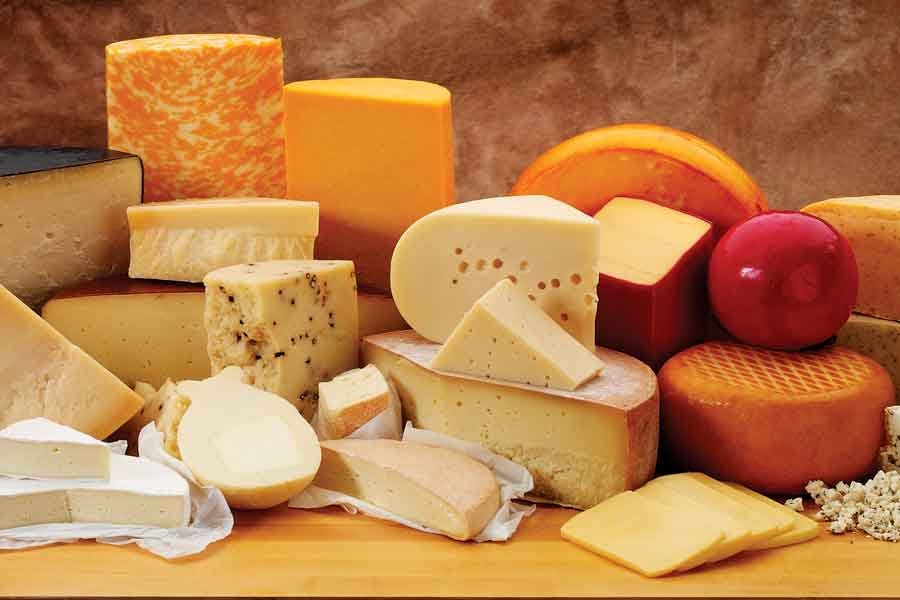
Bring on the cheese plates!
And it is my humble and sincere hope that this newsletter has some small degree of the same benefit for you: that reading it gives you the invitation to think a little more about Jewish life, to consider some moments and ideas and questions that otherwise might have passed unregarded.
I am not a rabbi, I am not an academic, and others writing about Judaism will always know more than me and be able to bring more erudition to the table.
But I like to think my perspective as a dedicated but non-degreed Jew can be valuable. That the quality of wondering has something to add to the conversation.
And with that, I bring you the classic Wondering Jew exploration (lovingly updated) of Shavuot!
This essay was first published, in altered form, on June 4, 2025.
You know how your grandma doesn’t officially have a favorite grandchild, but deep down, you sort of know there’s a hierarchy?
This came to mind this week as I was thinking about Shavuot.
Shavuot is one of those Jewish holidays that doesn’t get nearly the attention of your Hanukkahs, your Passovers, your Yom Kippurs.
For Jews who, like me, live in New York City, you might only be reminded of Shavuot because the Department of Transportation suspends rules for alternate-side parking, and you don’t have to move your car. Chag sameach, baby!
The New York City bureaucracy also provides another helpfully objective measure of Shavuot’s status: The city’s public schools are canceled on several Jewish holidays, but on Shavuot, they stay open.
So Shavuot is a big enough deal that you don’t have to repark your car, but not a big enough deal that they cancel school.
But doesn’t Shavuot deserve a little more love? Why isn’t it a bigger moment of the year, worthy of full municipal honors?
Shavuot is established in the Torah, after all, first in Exodus 34:22: “You shall observe the Feast of Weeks…”
So it’s got legacy going for it. Given the span of Jewish history, even holidays that were established half a millennium ago are relative newcomers. Shavuot, though, is a truly ancient holiday.
But even in its seminal moment, you can see some of the issues with Shavuot.
Feast of Weeks? What are we celebrating here again?
Shavuot, in fact, means weeks in Hebrew, and the name is derived from the fact that Shavuot is celebrated seven weeks after Passover.
But that doesn’t tell us anything about what the holiday commemorates, which is the Jewish people receiving the Torah from God at Mount Sinai. Unquestionably a big deal, right? But from a brand perspective, Shavuot/weeks is suboptimal. It’s like calling Thanksgiving “Eleven,” because it’s celebrated in the eleventh month of the year.
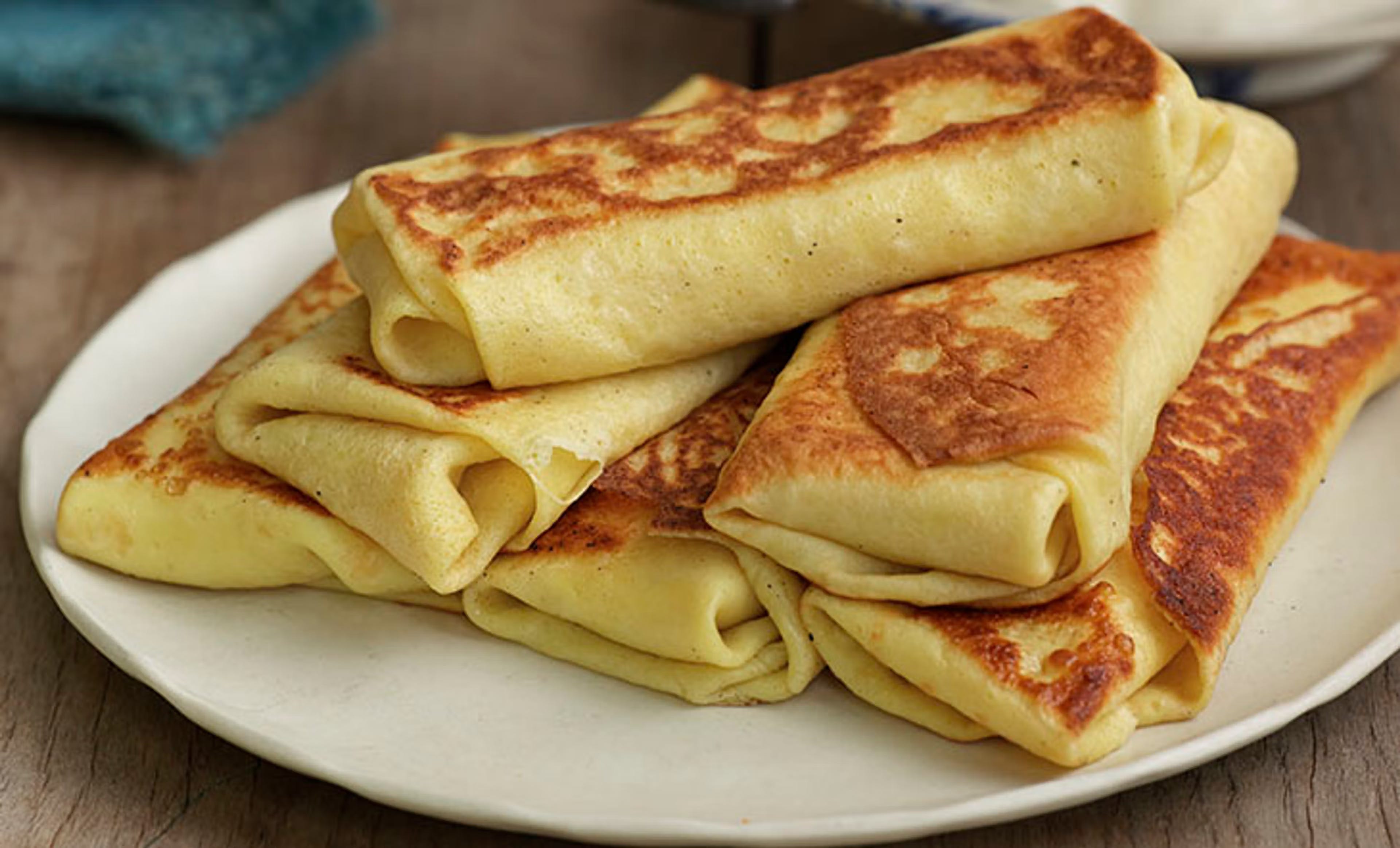
Many Jewish holidays are also aided in their popularity by fun food associations. Hanukkah? Latkes and gelt! Rosh Hashanah? Apples and honey! Shavuot has… dairy! And that can be fun to eat. But it falls afoul of the contemporary scourge of lactose intolerance, and it has nothing to do with weeks and not a lot to do with the Torah, either. Yes, fine, you could say that the Torah is “as sweet as milk and honey,” but honey does the heavy lifting in terms of the sweet part of that formulation. Milk just makes you full.
I also wonder whether a collective ambivalence about Shavuot in America reflects a deeper ambivalence, maybe about the central premise of the holiday. The notion of “God giving the Torah to the Jewish people at Mount Sinai” may strike a modern, materialist mind as implausible, at best. That modern, materialist mind also won’t have to look hard in the text for passages that feel uncomfortable, obsolete, or just strange.
And I’m not here to argue that such reactions are invalid. I will say, though, that such reactions aren’t new. There’s a story in the Talmud that God held a mountain over the heads of the people at Mount Sinai, and threatened to drop it on them if they didn’t accept the Torah. I think the implication that Torah is something even the Jews at Mount Sinai weren’t immediately comfortable with is useful for us today.
Plus, whatever one’s familiarity with or connection to or affection (or lack of affection) for the Torah might be—there’s no denying that it has held the Jewish people together, as a people, for thousands of years. When we didn’t have a homeland, or a dynasty, or a temple, or a shared native tongue, we had our histories and laws and traditions, compiled, first and foremost, in the Torah. And that proved sufficient.
So, Shavuot, the Festival of Weeks—why not?
It might never be as massive as Hanukkah or as raucous as Purim or draw the crowds of Yom Kippur.
But maybe its peculiar, particular niche is exactly what makes it worth celebrating, and with more than a day off from moving the car.